

As parents, we always want the best for our children's rest. You have probably heard a lot about "blue light" and its impact on sleep. But how dangerous can it really be? Here is a post about what blue light is, how it affects children, myths, realities...
What is blue light and where does it come from?
Blue light is a type of light emitted by the sun and electronic device screens. It can affect sleep if you are exposed to it at night because it reduces the production of melatonin, the hormone that helps you sleep.
The main source of blue light is the sun, which is natural and healthy during the day as it helps us stay awake and active. However, there are also many artificial sources of blue light, such as electronic devices.
How does blue light affect children's sleep?
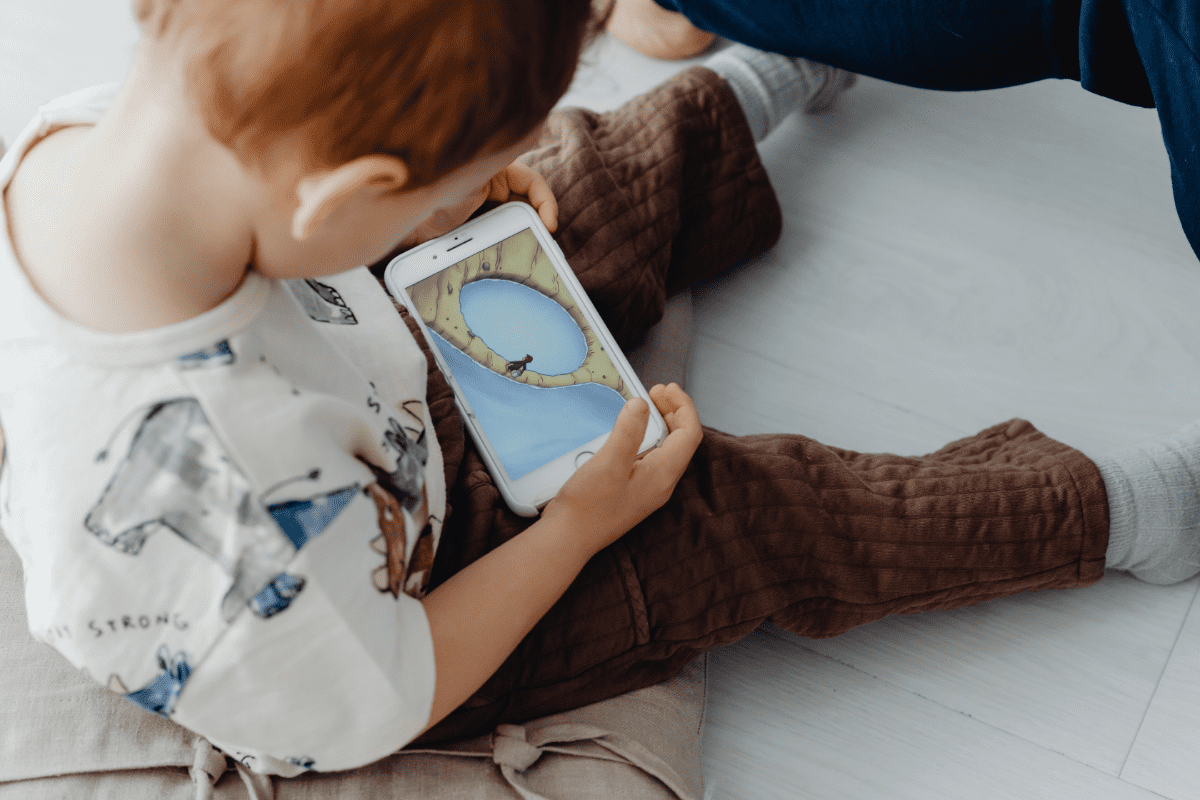
This concern arises when our children are exposed to blue light late in the day. This is because blue light suppresses the production of melatonin, a hormone that helps us know when it is time to go to sleep. This can be a problem for children's rest, as they find it harder to fall asleep and, in some cases, their sleep may be less deep or restful.
Imagine that your child's brain is ready to start winding down as night falls. If they are looking at a bright screen minutes before going to bed, the brain interprets that light as if it were daytime. This makes them feel less tired, and when they do fall asleep, they may not get the rest they need.
Are screens the only problem?
It's not just blue light that affects sleep, but also the content they are viewing on those screens. If your children are playing an exciting video game or watching a very stimulating program, that can also keep them awake.
In addition, it is important to remember that not all exposure to blue light is bad. During the day, blue light is necessary as it helps regulate the natural sleep-wake cycle and keeps us awake and active. Therefore, letting children play outdoors in sunlight can help regulate sleep.
What can we do to help our children sleep better?
It's not about banning screens, but about managing time. Here are some tips:
- Establish a screen-free nighttime routine at least one hour before bedtime. You can read a story, do relaxing activities, listen to soft music, talk about the day...
- Activate night mode on devices. This changes the screen tone to warmer colors, reducing blue light.
- If you need to use a screen at night, you may want to consider wearing blue light filter glasses. However, it is best to limit the use of devices before bedtime.
Realities and Myths:
-
Myth: "Blue light is bad at any time."
Fact: Blue light is beneficial during the day, especially sunlight, as it regulates our body's natural rhythms. -
Myth: "Using night mode on devices is sufficient."
Reality: It helps, but it's not everything. It's also important to avoid stimulating content and create a relaxing routine. -
Myth: "Blue light filter glasses are a magic solution."
Reality: Although they can help reduce exposure to blue light, they do not replace the need to take regular breaks from electronic screens.
In summary, blue light can have a negative impact on young children's sleep. However, with small adjustments, such as reducing screen time before bed and creating a relaxed environment, we can help our children sleep better and wake up more rested.