

Co-sleeping in the same bed is a personal decision that must be made with care and consideration. Although many cultures have practiced co-sleeping for centuries, in the contemporary Western world, concerns about the safety and well-being of the baby have sparked debate among parents and experts.
There are many benefits to co-sleeping for both babies and parents. For parents, sleeping close to their baby can facilitate nighttime breastfeeding, foster a stronger emotional bond, and provide a greater sense of security and comfort. For babies, close contact can provide comfort, regulate their body temperature and heart rates, and promote more peaceful sleep.
Despite all these benefits, it is vital to be informed about the risks of co-sleeping and to take measures to ensure the baby's safety. In this post, we explain whether co-sleeping in the same bed is safe and offer recommendations for parents who want to practice this option.
Risks of sleeping with your baby in the same bed
The American Academy of Pediatrics (AAP) recommends not sharing a bed with a baby under any circumstances, including babies born from twin or multiple births.
The reason is that sharing a bed with a baby can increase the risk of sudden infant death syndrome (SIDS) and other sleep-related accidents, such as suffocation. These risks are especially high in the first six months of a baby's life.
Don't share the bed, but do share the room.
It is recommended that babies sleep in the same room as their parents for at least the first 6 months. This allows both mother and baby to enjoy the benefits of co-sleeping: the convenience of breastfeeding, bonding, and comforting the baby...
In fact, the AAP recommends rooming-in because it reduces the risk of SIDS by 50% and is much safer than bed-sharing.
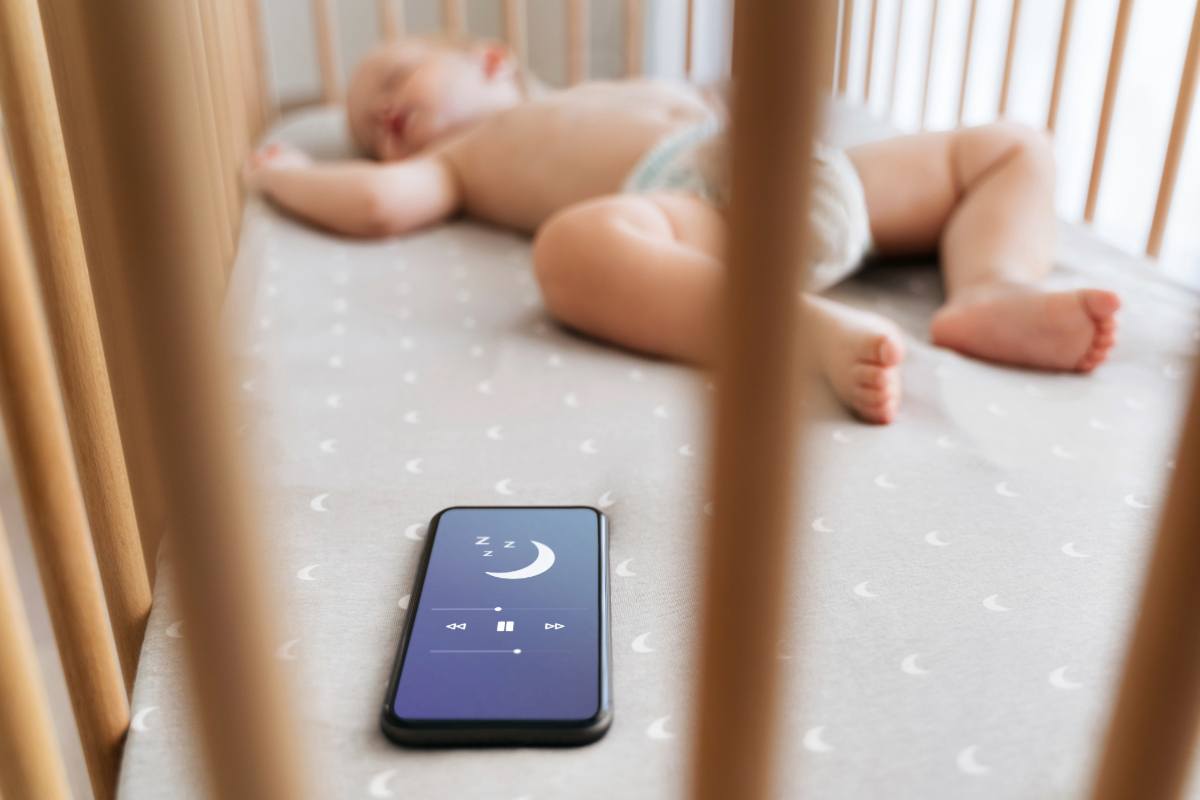
Choose a bassinet or co-sleeping crib next to the bed. These options allow the baby to have their own safe space while remaining close to their parents. You can bring your baby to your bed to feed and comfort them, but when they are ready to sleep again, take them back to their crib.
Avoid these risks of co-sleeping in the same bed
- If there is a possibility that you may fall asleep while your baby is in bed with you, make sure there are no pillows, sheets, or blankets that could cover the baby's head or cause them to overheat. As soon as you wake up and are aware of your surroundings, it is best to take the baby back to their crib.
- Avoid falling asleep with your baby in other places. The risk of sleep-related infant death is 60% higher when babies fall asleep with an adult on a sofa or armchair.
- If the baby is less than 4 months old or was born prematurely, the risk of suffocation in the parents' bed is 5 to 10 times higher.
- If you have consumed alcohol, tobacco, or taken any medication, do not put your baby to bed with you under any circumstances. The risk of related infant death is more than 10 times higher for babies who share a bed with someone who is tired, has taken medication that makes it difficult to wake up, or has consumed substances such as alcohol or drugs.
6 tips for practicing safe co-sleeping
If you decide to practice co-sleeping, follow the safety recommendations and consult with your pediatrician to ensure you are making the best decision for your family.
- Firm surface. Make sure the mattress you sleep on is firm and does not sink.
- Pillow-free: Parents' beds should be completely free of pillows, heavy blankets, stuffed animals, and any other objects that could cause suffocation. Many experts advise parents to stay under the sheets and place the baby on top, so there is no risk of covering their head during the night.
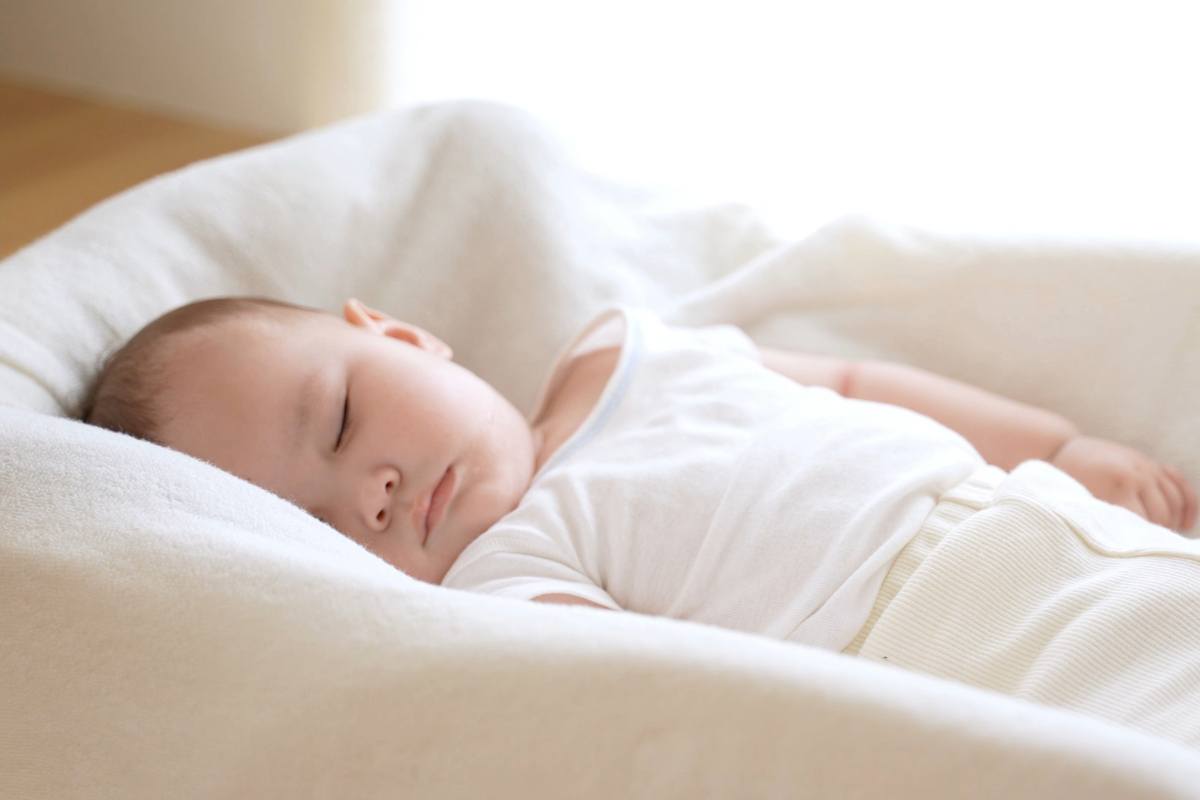
- Face up position. Always place your baby to sleep on their back, as this is the safest position to reduce the risk of sudden infant death syndrome (SIDS).
- Baby's position. Place your baby next to the mother instead of between the parents. This reduces the risk of the baby getting trapped between the two adults.
- Sufficient space. Ensure that the baby has enough space and can move around without the risk of falling out of bed or getting trapped between the mattress and the wall. A larger bed may be useful to provide the necessary space and prevent accidental crushing.
- Use a co-sleeping crib. The best way to practice safe co-sleeping is to use a co-sleeping crib so that your baby has their own safe space while being close to you.