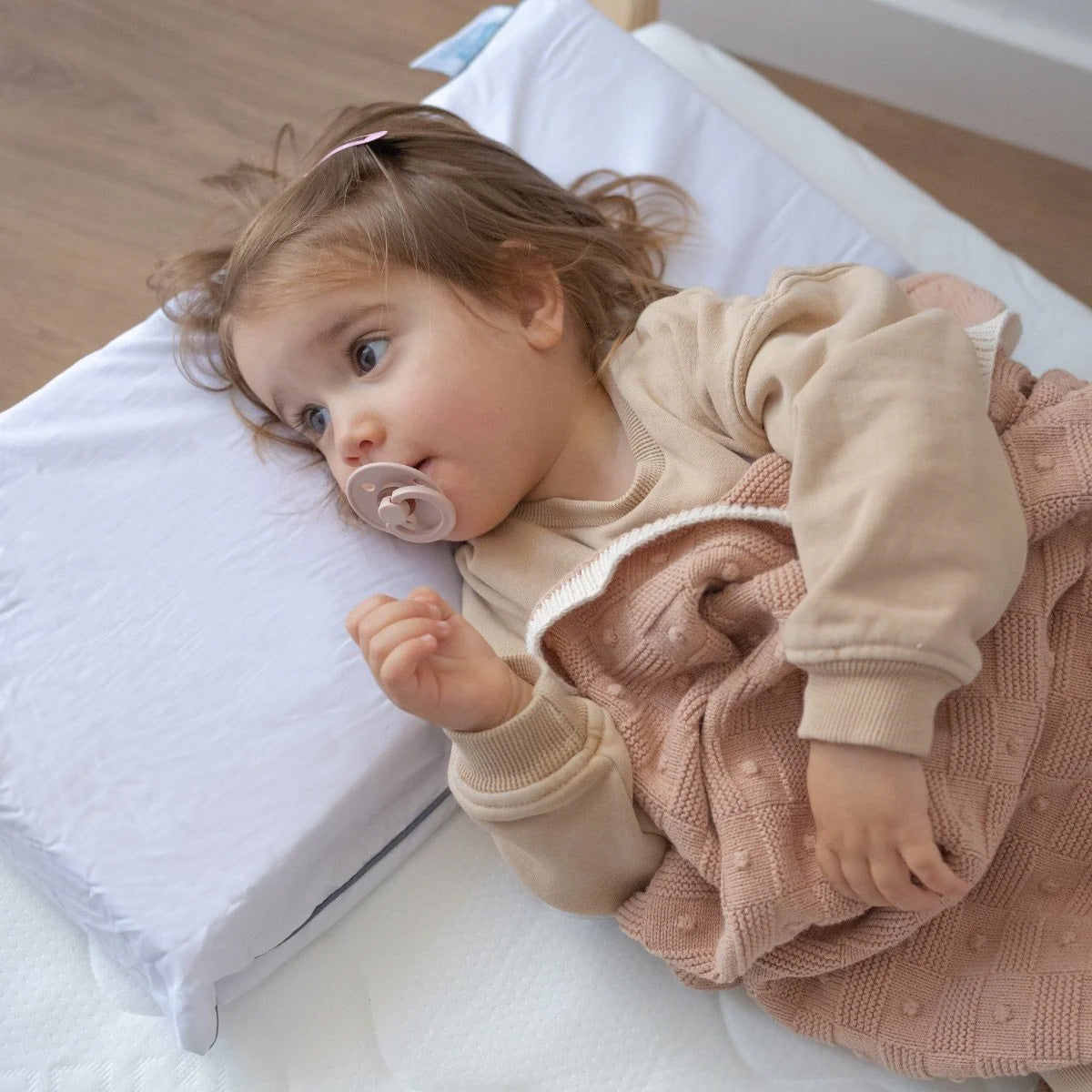


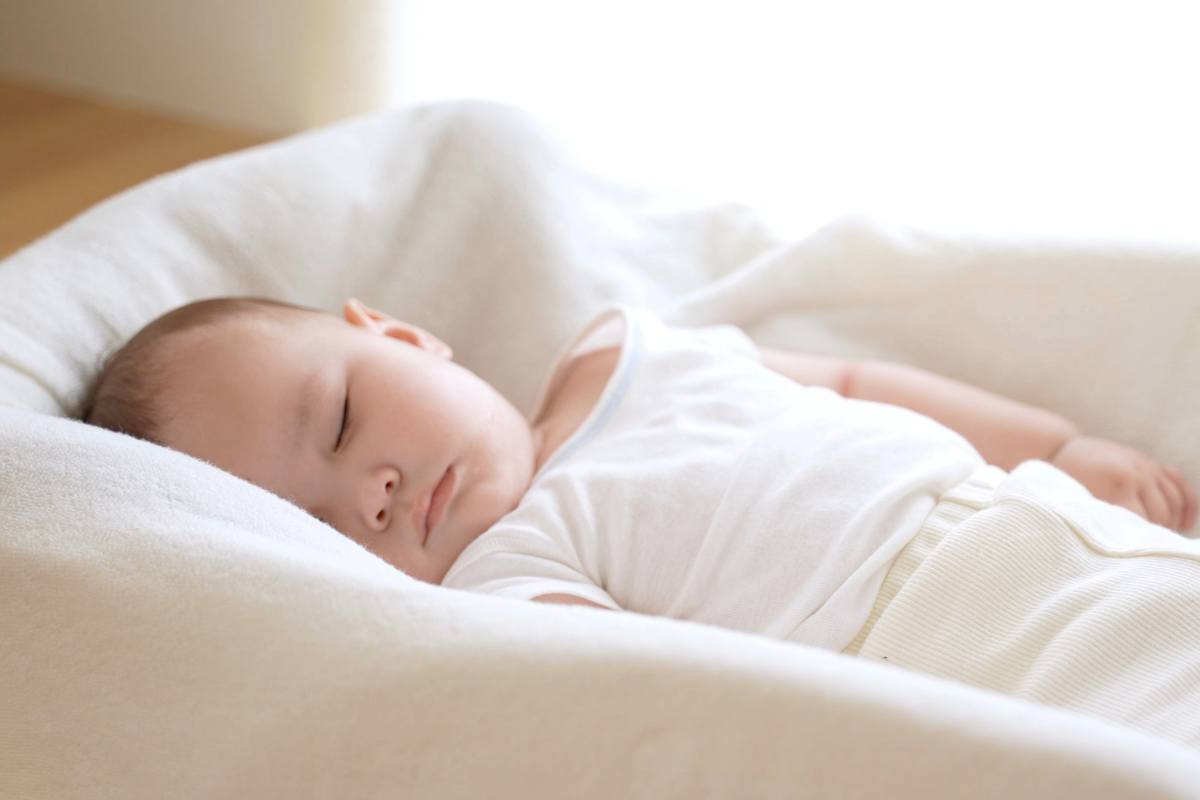
Naps are a crucial part of child development, but not all babies sleep the same way. If your baby takes short naps of 20 to 45 minutes instead of the long, restful naps you expected, you may have a "short napper" or "awake baby" at home.
What is a "short napper" or "awake baby"?
A "short napper" is a baby who tends to take short naps of less than 45 minutes, which does not affect the quality of their nighttime sleep. These babies tend to sleep more and better at night than during the day, but their sleep needs are met. They do not need to take long naps, but are content with less daytime sleep and are not overtired.
This can be frustrating for parents who expect daytime naps to provide rest for both their baby and themselves.
Signs that your baby is a short napper
- He takes 20-45 minute naps and wakes up happy after them, not irritable or tired.
- Their sleep window is appropriate for their age, meaning they remain in a good mood throughout the sleep window until the next nap.
- Taking such short naps does not affect his nighttime sleep. At night, he generally sleeps well (usually through the night) and wakes up around 6:00 a.m. He does not usually wake up many times during the night.
- By offering them a longer sleep window than they are used to, they fall asleep easily, without resistance.
- When they switch to a single nap, they tend to naturally extend it.
- They make the transition to naps before the other children.
Your baby is not a short napper if...
- When they take short naps of between 20 and 45 minutes and wake up tired and irritable, they have trouble falling asleep again, and most of the time they don't go back to sleep.
- Their sleep window, after a short nap, also decreases. This means that they have not rested as much as they should and need to go back to sleep "before time."
Why your baby takes short naps
Note that your baby may take short naps and not be a short napper. In this case, there may be several reasons for this:
- Immature sleep cycles: Babies have shorter sleep cycles than adults, generally around 45 minutes. Sleep cycles lengthen as babies grow.
- Changing sleep needs: As babies grow, their daytime sleep needs may change, and they may begin to reduce the length of their naps.
- A noisy or overly bright sleeping environment can interrupt naps. Make sure the place where your baby sleeps is quiet and dark.
- Sleep associations: If your baby gets used to sleeping only under certain conditions, such as being rocked or breastfed, they may wake up briefly between sleep cycles and need those same conditions to fall back asleep.
- Adjust nap times: Babies have different sleep needs at different ages. If your baby takes short naps, they may need more than one nap per day. Observe their patterns and adjust schedules as needed.