


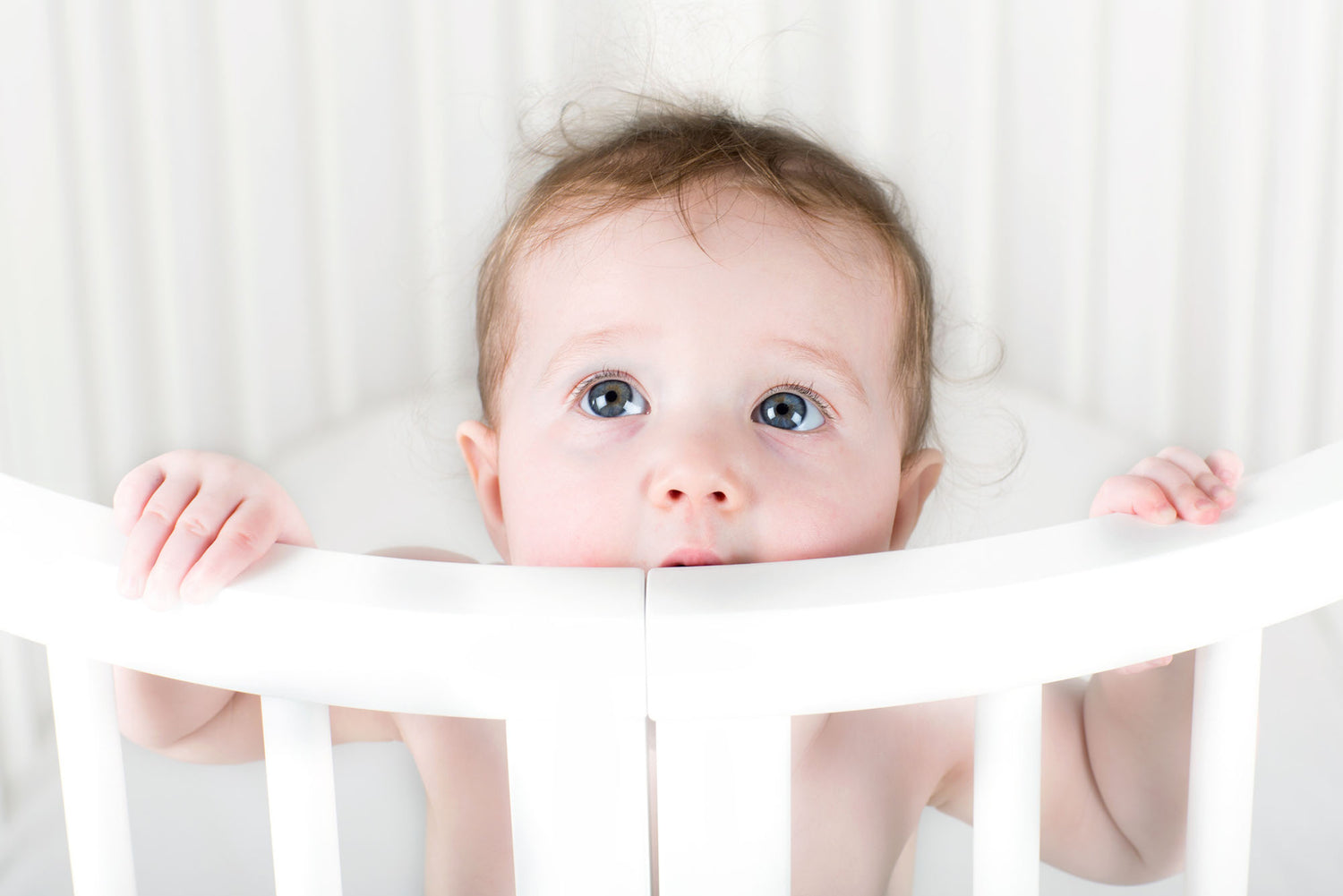
When we say that a baby has "early waking," we mean that they wake up very early in the morning, before the time that mom and dad would like them to. We are generally talking about babies or children who wake up between 6:00 and 7:00 a.m., having gone to bed at around 8:00 p.m.
Sometimes this can be a little difficult for parents because they need to rest too. In contrast, little ones wake up with enviable energy, eager to play and talk and with little desire to go back to sleep.
It is normal for babies to sleep irregularly, especially in the first few months of life. They do not sleep like adults; some babies may sleep for many hours at a time, but others may wake up several times during the night or get up very early.
What causes early waking?
When babies wake up occasionally, it may be caused by situations and experiences they have had during the day, overstimulation, a significant change in their daily routine, or because they are ill.
If, on the other hand, you wake up early every day, it may be due to other reasons such as:
- Changes in the circadian rhythm. Babies do not have a set biological clock, and as the night passes and dawn breaks, their cortisol levels rise and their melatonin levels, the sleep hormone, fall.
- Schedule disruptions in routines. They do not yet have a well-established sleep schedule.
- Lack of balance between daytime sleep (naps) and nighttime sleep.
- Abundant light in the rest environment.
- He went to bed hungry or thirsty.
- He feels uncomfortable with a wet diaper.
- He needs and demands the love and attention of mom or dad.
What can we do to prevent early waking?
To help your baby sleep better and longer, you can follow a series of recommendations:
- Establish a bedtime routine.
- Make sure they are well fed and not hungry or thirsty.
- Make sure they are comfortable before going to sleep, with a clean diaper.
- Create a calm and relaxed environment for sleeping. The room where the baby sleeps should be completely dark, quiet, and at an optimal temperature between 19 and 21 °C.
- Review your baby's daytime sleep, i.e., how many hours they nap and whether they nap at appropriate times. Make sure that the time between the last nap and bedtime is not too long for your baby's age.
- Monitoring the amount of time your baby spends awake during the day will help you synchronize your home schedule with their biological sleep patterns.
- When they wake up, stay calm. Let them know that it is still nighttime and that they should sleep a little longer. Do not take them out of the room, as this could give them the opposite impression.
Remember that every baby is different, and some will need more time to adjust their sleep schedule. If you have questions or the problem persists, it is advisable to talk to your pediatrician or a child sleep specialist for further help and advice.
The most important thing is to be patient with your baby as you learn together about their sleep schedule. It is also good to remember that this stage will not last forever and, over time, your baby will adapt better to sleeping at night.