
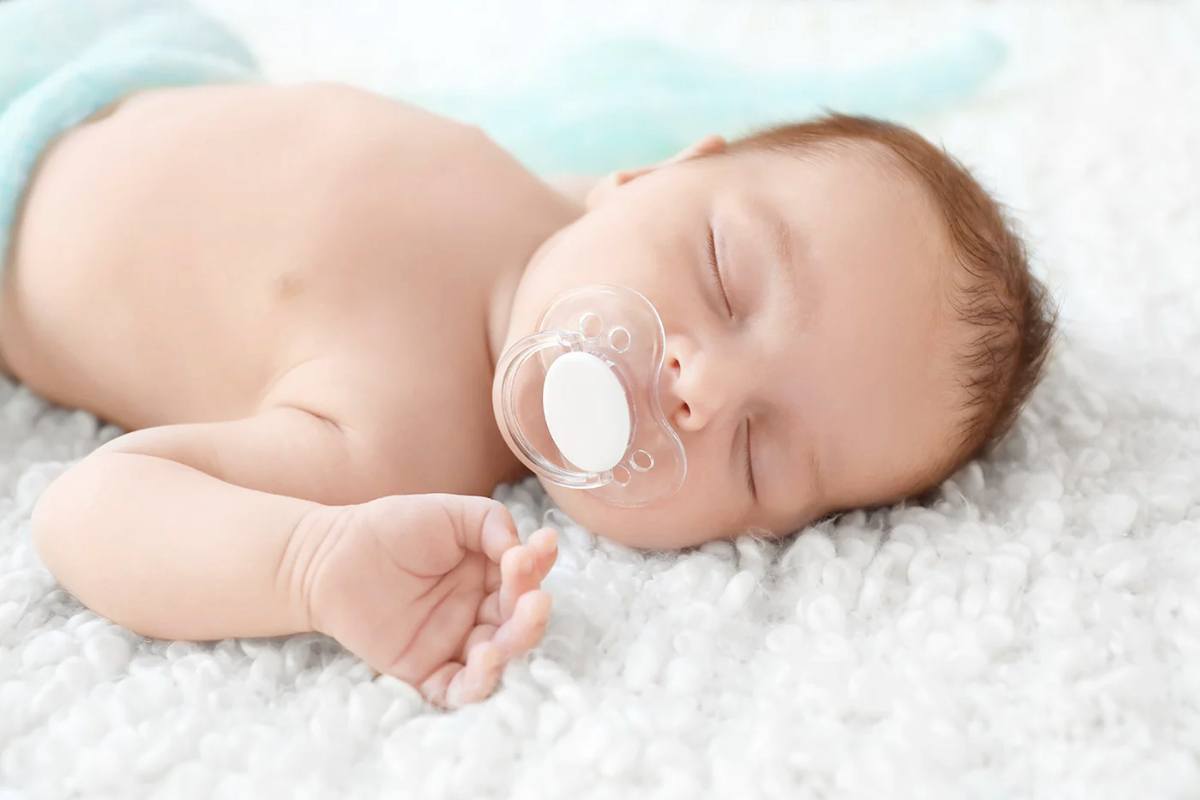
The best definition of a pacifier is that it is a rubber or plastic nipple given to babies and young children to suck on. A pacifier has the ability to relax a restless child, calm their crying, help them fall asleep, and reduce stress and pain during unpleasant experiences, such as a pediatric appointment or during the dreaded infant colic.
But is a pacifier good for sleeping?
In premature babies, pacifier use has been linked to greater weight gain, better bowel movements, and earlier hospital discharge. It is also advisable to encourage pacifier use in children with a high sucking habit to prevent them from resorting to thumb sucking, among other things because it will always be easier to take away a pacifier than to break a thumb sucking habit.
According to the Spanish Pediatric Association (AEP), the main benefits of pacifiers are different, as it has been proven that pacifiers reduce the length of stay of premature babies in hospitals and the risk of sudden infant death syndrome (SIDS). This reduction in the risk of sudden death occurs because pacifiers promote correct tongue placement and breathing and prevent airway obstruction.
With this statement from the Spanish Pediatric Association, we could conclude that pacifiers are recommended for sleeping. However, it is recommended to introduce the pacifier only after breastfeeding is well established, usually around 3-4 weeks of age.
On the other hand, pacifiers interfere with sleep consolidation during the night. If the baby uses a pacifier to fall asleep, they will probably wake up when they lose it during the night and then be unable to fall back asleep until they have found it. Ultimately, the use of a pacifier will always depend on our baby's needs at bedtime.
How long is it okay to use a pacifier?
The American Academy of Pediatrics (AAP) and other health organizations suggest that pacifier use can continue until the child shows signs of wanting to give it up, which usually occurs naturally between 6 months and 2 years of age. Here are some general guidelines:
- Phase it out gradually: Parents are advised to consider phasing out pacifier use after the first year.
- Avoid excessive use: Limit the use of pacifiers to specific times, such as bedtime or situations that require comfort.
- Avoid prolonged use: Prolonged use of pacifiers beyond 2-4 years of age may be associated with dental problems, such as jaw malformations or dental misalignment.
- Respect the child's signals: Signs that the child is ready to give up the pacifier may include a natural decrease in interest in it, or if the child begins to express the need to suck their thumb instead of the pacifier.
- Do not force the transition: Forcing a child to give up their pacifier can cause unnecessary distress. It is better to approach the transition gradually and respectfully, offering other forms of comfort and security.