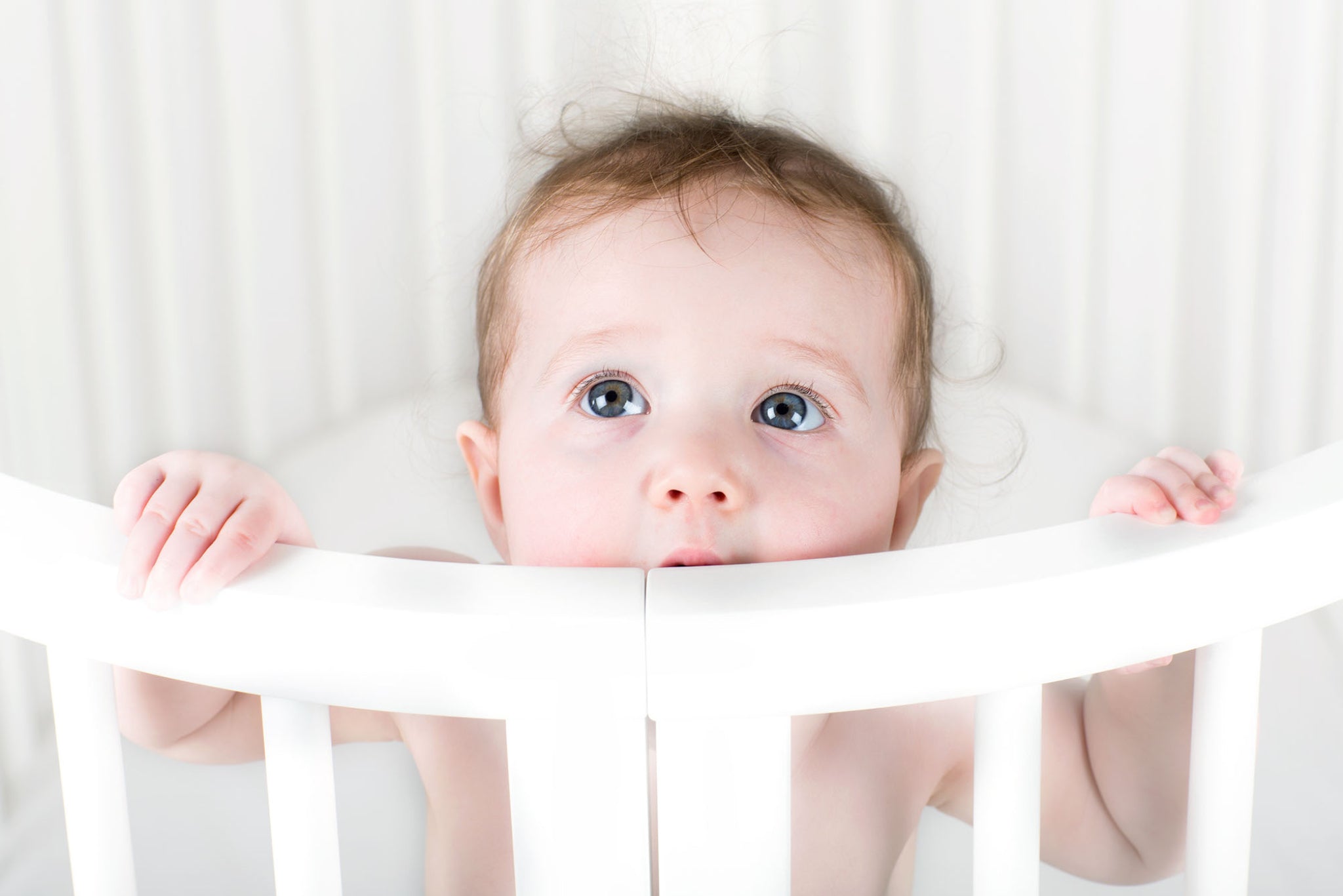


Sleep regressions are periods when babies who used to sleep well through the night may start waking up more frequently and have difficulty falling back asleep.
There is no need to worry. This is normal and common in babies' development and usually occurs at key moments in their growth. These key moments are often milestones related to their cognitive or motor development.
Sleep regressions are temporary and usually last between 3 and 6 weeks. It is most common for babies to return to more stable sleep patterns on their own once they have overcome these periods of change and adaptation.
When do sleep regressions occur?
At 4 months
This is one of the first major regressions. Babies may go from sleeping several hours at a time to waking up more frequently during the night.
The cause of this sleep regression is related to the development of the baby's brain. At 4 months, a part of the brain called the suprachiasmatic nucleus begins to influence the baby's sleep-wake cycles. This nucleus is like an internal clock that helps regulate when we should be awake and when we should sleep.
At the same time, at 4 months, babies are learning new skills, such as rolling over and moving more. This is exciting, but it can also affect their sleep! They may practice these movements even during the night, causing them to wake up.
At 6 months
At 6 months, many babies learn to sit up without help and begin to explore the world around them more. They may be so excited about their new skills that they want to practice them even when they should be sleeping.
Another reason for sleep regression at 6 months is the appearance of the first teeth and the introduction of complementary feeding. At this age, some babies begin to try new foods in addition to breast milk or formula. This can change their routine and digestive system, which has to adapt to new foods, which can also affect their sleep.
At 8 months
Another common regression occurs around this age, when the baby is learning to crawl. This is mainly due to what is known as separation anxiety. At this age, babies realize that mom and dad can sometimes be far away from them. This can make them feel insecure when they don't see us nearby. That's why, when they wake up at night, they may cry or seek our attention to make sure we're there.
At 12 months
Around their first birthday, some mothers notice another regression. At this age, babies are learning to walk, either alone or with help, and are taking their first steps. This will increase their activity and excitement throughout the day and make it harder for them to relax. They also begin to stand up in their cribs.
They are also more resistant to naps, mainly because they are so active and sociable that they don't want to waste time sleeping. Not napping can also cause them to be overtired at bedtime.
At 18 months
This regression may be related to language development and the acquisition of new communication skills. In addition, separation anxiety may flare up again, as they are more aware that they are being left alone, know how to express themselves, and may put up more resistance at bedtime.
At 24 months
At 2 years old, children tend to be more independent and want to do things for themselves. They know what they want and also what they don't want, and they let you know. Their personality and temperament begin to blossom, and the dreaded tantrums arrive. They may want to explore and play more during the day, resisting going to bed when it's time or taking naps.
In addition, at this age, many children are stopping using diapers during the day and learning to use the toilet. This can cause them to wake up more at night, as they may need to use the toilet or may feel uncomfortable if they have an accident.
As they grow older, children may begin to develop fears of the dark, monsters, being alone, etc. These fears can cause them to wake up during the night feeling scared and seek the safety and comfort of their parents.
Be patient, everything will be fine.
It is important to remember that every baby is unique and not all babies will experience sleep regressions in the same way. Some babies may have more significant regressions, while others will hardly notice them.
During these sleep regression stages, it is essential to give your baby lots of love, patience, and reassurance. Try to maintain a consistent and comfortable sleep routine for them. Make sure they are well fed and comfortable before bedtime. And although it may be tempting, try not to develop habits that can make sleeping difficult, such as falling asleep in your arms or in bed with you, as these could prolong sleep difficulties.
Hang in there! With love and care, you will get through these stages and see your baby continue to grow and develop wonderfully.