

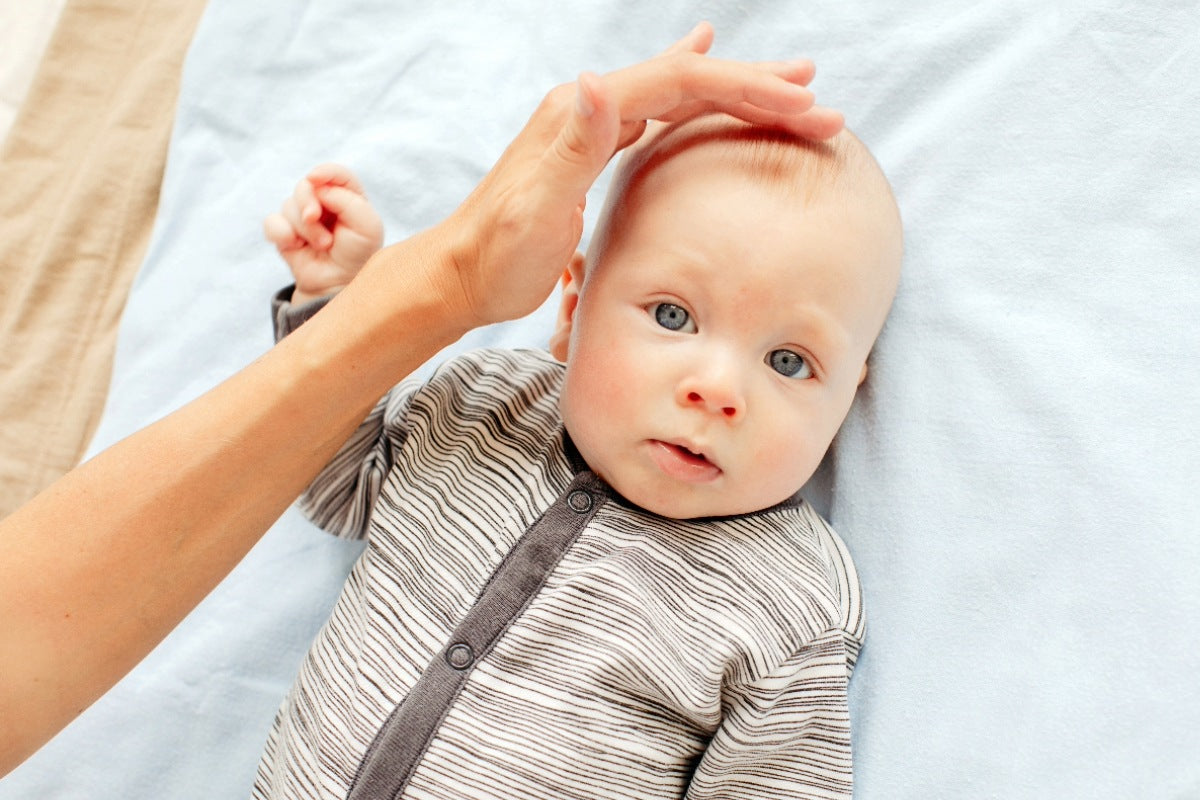
The shape of a baby's head at birth is a common concern for parents and healthcare professionals. In some cases, newborns may develop cranial deformities, and it is essential to understand the different shapes they can take and their possible causes.
3 types of cranial deformities in babies
Three of the most common cranial deformities in newborns are plagiocephaly, brachycephaly, and dolichocephaly or scaphocephaly.
- Plagiocephaly is a deformity characterized by asymmetrical flattening of part of the baby's head. It consists of lateral flattening from a posterior view: that is, the occipital bone (back of the skull) is flattened on one side. It is commonly associated with congenital torticollis. It usually occurs when the baby spends too much time in the same position, such as always lying on the same side. Plagiocephaly may also be related to the position in which the baby spends time in the crib or stroller.
- Positional brachycephaly is a cranial deformity consisting of flattening of the entire back of the baby's head, resulting in a wider than normal head. This deformity is often linked to the baby's sleeping position, especially when they sleep for long periods in the supine position (on their back).
The "Back to Sleep" campaign promoted by health professionals to always place babies in a supine position or on their backs to sleep in order to reduce the risk of sudden infant death syndrome (SIDS) has been successful in this regard, but has led to an increase in cases of brachycephaly and plagiocephaly. To prevent these deformities, parents should balance the time the baby spends on their back with supervised periods on their stomach to strengthen their neck muscles.
- Finally, dolichocephaly or scaphocephaly is a cranial deformity consisting of a narrow, tall head, due to flattening of the temporo-parietal (lateral) region with an increase in the anteroposterior diameter. In other words, the baby's head is elongated, making it narrower than normal. Although dolichocephaly is usually caused by genetic factors, it can also develop when the baby sleeps constantly in the same position. Constant pressure on a specific area of the skull can affect its shape.
Prevention and treatment are essential.
It is crucial to emphasize that these cranial deformities are treatable and, in many cases, preventable with a few simple practices. As parents, we can incorporate changes into our baby's daily routine to avoid constant pressure on a specific part of the head, practice babywearing and tummy time often, avoid spending as much time as possible in the stroller or baby bouncer, etc. It is essential to vary the baby's position while sleeping and during playtime to promote balanced cranial development.
These deformities are easy to diagnose, as the baby's head is not symmetrical, and early diagnosis will be beneficial for treatment. The best age for treatment is between 3-4 and 12 months of age, as this is the period when the best results are observed, due to the high plasticity (moldability) of the skull.
Although these cranial deformities do not usually cause serious health problems, it is essential to consult a pediatrician if changes in the shape of the baby's head are observed. In some cases, the use of special mattresses, physical therapy exercises, or even orthopedic helmets may be recommended to correct the deformity.
In conclusion, awareness and prevention are key when it comes to cranial deformities in babies. Understanding the differences between plagiocephaly, brachycephaly, and dolichocephaly or scaphocephaly, as well as adopting practices that promote balanced skull development, are essential steps in ensuring the health and well-being of young children.