
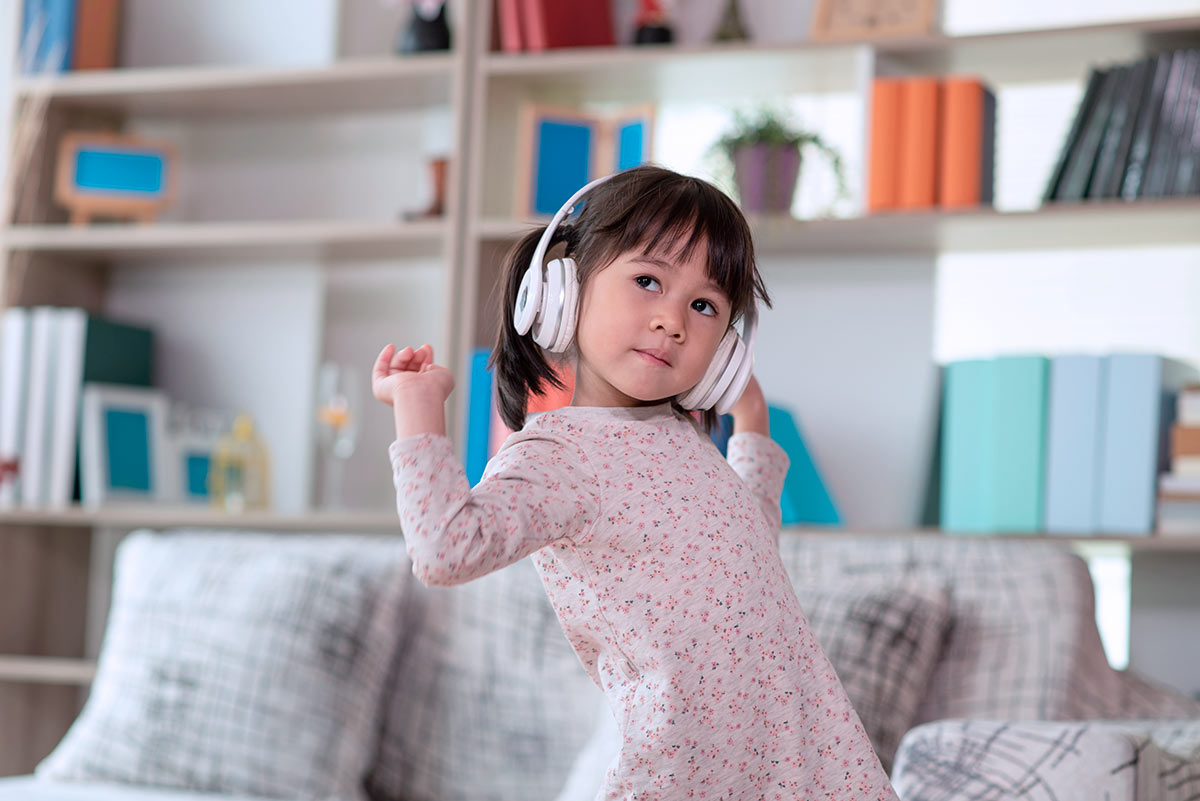
Listening to music has many health benefits for babies and adults. Music provides pleasure, calms and relaxes, improves mood, aids learning processes, etc. Music even helps you sleep, as it calms the mind and body and creates a peaceful atmosphere that promotes sleep patterns.
Many researchers agree and firmly believe that music plays an important role in building a baby's emotional foundation and helps them develop a sense of trust. In addition to the positive effects on a baby's development, the presence of music brings many different benefits to a baby's life.
Music as learning
Children's songs enhance children's intellectual, auditory, sensory, speech, motor, and social development. All these benefits are achieved through hearing, literacy, and physical and emotional expression. In other words, music helps babies and children develop their physical expression and become more aware of the space around them. Therefore, music is a good ally for learning.
The influence of music on babies promotes their psychomotor development. The use of children's songs—being rhythmic and melodious—helps children coordinate and control their body movements.
Music can also stimulate babies' senses and promote cognitive and language development. Listening to different sounds and rhythms can help develop their auditory perception and ability to distinguish between different tones and musical patterns. Music is even good for encouraging creativity in young children. Playing simple instruments or experimenting with sounds and rhythms can stimulate their imagination.
Music as a relaxing effect
One of the advantages of incorporating music into a baby's life is that it helps them sleep. Music has a direct effect on a baby's nervous system, lowering their heart rate and blood pressure. As a result, the baby's muscles relax and their breathing calms down. In addition, relaxing music masks environmental noises that can disturb a baby's sleep.
But, as you might expect, not just any type of music will do. Music that helps babies relax is that which has a tempo of between 60 and 80 beats per minute, as this rhythm resembles the rhythm of the heartbeat. White noise or nature sounds, which have been scientifically proven to be effective, also work well.
What is the so-called 'Mozart Effect'?
According to scientific research, the music of Austrian composer Wolfgang Amadeus Mozart has multiple positive effects on babies and children. These studies certify that the musical combinations created by Mozart—their frequencies, meter, and tone—stimulate the human brain, reducing stress and helping to calm the mind.
In the case of babies, there is a widespread belief that listening to classical music by Mozart, such as his work "Eine kleine Nachtmusik," before bedtime can help them fall asleep more quickly and have a more peaceful rest.
However, it is important to mention that the scientific evidence behind the Mozart effect in babies is limited and controversial. Although some research suggests that classical music can have a positive impact on brain stimulation, not all babies react the same way to music, and not all will be affected by Mozart's music in particular.
Lullabies to help you sleep
Since time immemorial, lullabies have been the most common resource used by parents to soothe their babies and help them sleep. Therefore, the fact that music helps babies sleep is nothing new.
Lullabies have soft, soothing melodies that are pleasant to babies' ears. When listening to these gentle melodies, babies can begin to feel more relaxed and calm. In addition, lullabies are often repeated over and over again, creating a predictable pattern. This pattern helps babies feel more secure and comfortable, as they know what to expect.
The fact that it is moms or dads who sing lullabies also helps to create an emotional bond with the baby. The close contact and soft tone of their mother's voice make the baby feel protected and loved, which also contributes to their relaxation.
Lullabies convey a sense of security and well-being to babies, reducing their stress and calming their crying or anxiety. Interestingly, in 2019, the British website Cuckooland determined that the perfect lullaby, due to its slow tempo and predictable, simple melody, was "One" by U2.
Music in the sleep routine
If you want to use music to help your baby sleep, it is essential to observe how your little one reacts. Some babies may enjoy and relax with soft music, while others may prefer a quieter environment for sleeping. The most important thing is to create a calm and relaxed environment before bedtime and establish a sleep routine.
Music can also help establish this sleep routine. Playing some music while putting your baby to bed can help set the tone for bedtime. It is not advisable to leave the music playing all night; about 30 minutes is sufficient. It is important that the sounds are not stimulating and that the music device is placed away from the baby, a few feet from the crib, at a low volume. As far as possible, it is preferable to pause the music before the child falls completely asleep.
For the routine to be effective and help your baby fall asleep earlier, it must be followed every day so that your baby associates it with rest time and, little by little, will establish their sleep cycles and learn to sleep on their own.