


The Montessori method takes a respectful approach to babies' sleep and believes that the sleeping environment should be safe and conducive to the child's development. This approach involves gentle parenting that guides the baby into a peaceful state of rest, respecting their natural rhythm and attending to their individual needs.
The Montessori method emphasizes the importance of naturalness, recognizing that it is not simply a matter of seeking sleep at all costs. The rest period is a delicate journey that must be approached day by day without impositions, allowing for growth together with the child and avoiding falling into rigid structures or conventions. A baby's nighttime crying is not simply a whim, but an integral part of this process that we must face and understand in its context.
Although Maria Montessori did not provide specific guidelines on sleep in her writings, followers of the Montessori approach have developed some key points or recommendations for babies' rest.
7 Montessori tips for sleeping
1. Prepared environment
Emphasize the creation of a safe and peaceful sleeping environment for the baby. This means keeping the room tidy, free of distractions, and, if possible, away from noise. Use neutral tones on the walls and furniture and avoid bright colors that overstimulate the child.
It is advisable to personalize the bedroom in such a way that the child finds it a space with which they can identify, where they feel comfortable and safe.
2. Respect the baby's rhythm
Babies are not born with a developed biological clock, so they do not distinguish between day and night, sleep and wakefulness. The Montessori method encourages observing and respecting the baby's natural rhythms, including sleep patterns. This means not enforcing strict schedules and allowing the baby to sleep when they need to.
3. Create a ritual
Create relaxing situations around bedtime so that your baby perceives sleep as a positive ritual. This could be reading a story, a warm bath, relaxing with songs... Try to do this at the same time every day.
It is necessary to make it clear that it is bedtime, but at the same time to accompany the child with kindness and understanding, abandoning games and stimuli and immersing them in a peaceful environment.
4. Physical contact
Physical contact and attachment between parents and children are valued. Some Montessori parents practice safe co-sleeping, allowing the baby to sleep close to the parents until their first year of life, with the aim of adjusting the rhythms between mother and child, as well as facilitating any nighttime care that may be needed.
5. Responding to crying
When a child wakes up at night, it is because they need contact with their mother. This is a completely normal natural instinct, known as "separation anxiety." A loving gesture, a hug, or a caress can alleviate their feelings of loneliness and help them find the peace of mind they need to fall back asleep. Providing comfort also fosters the child's inner security and trust in their parents.
6. Mattress on the floor
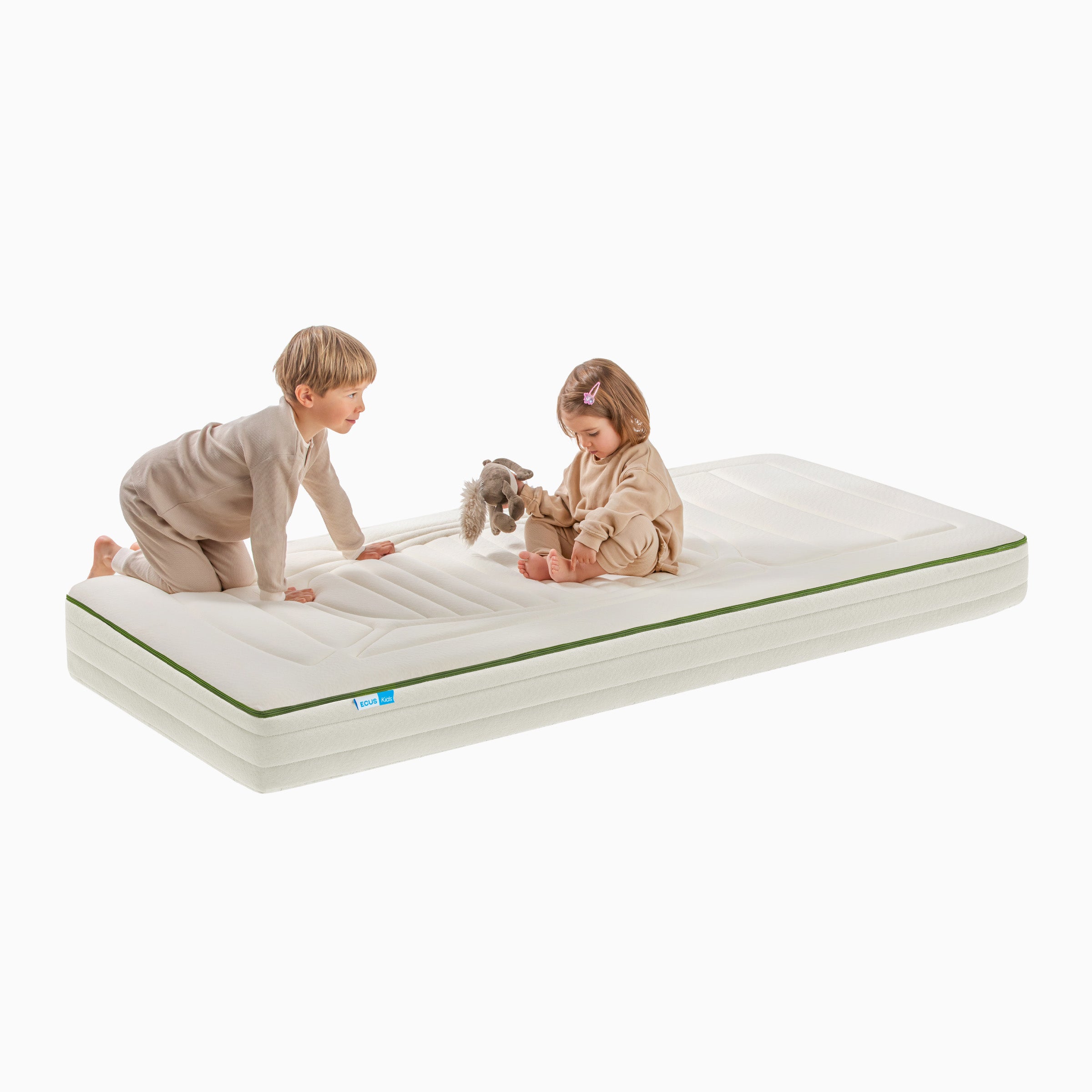
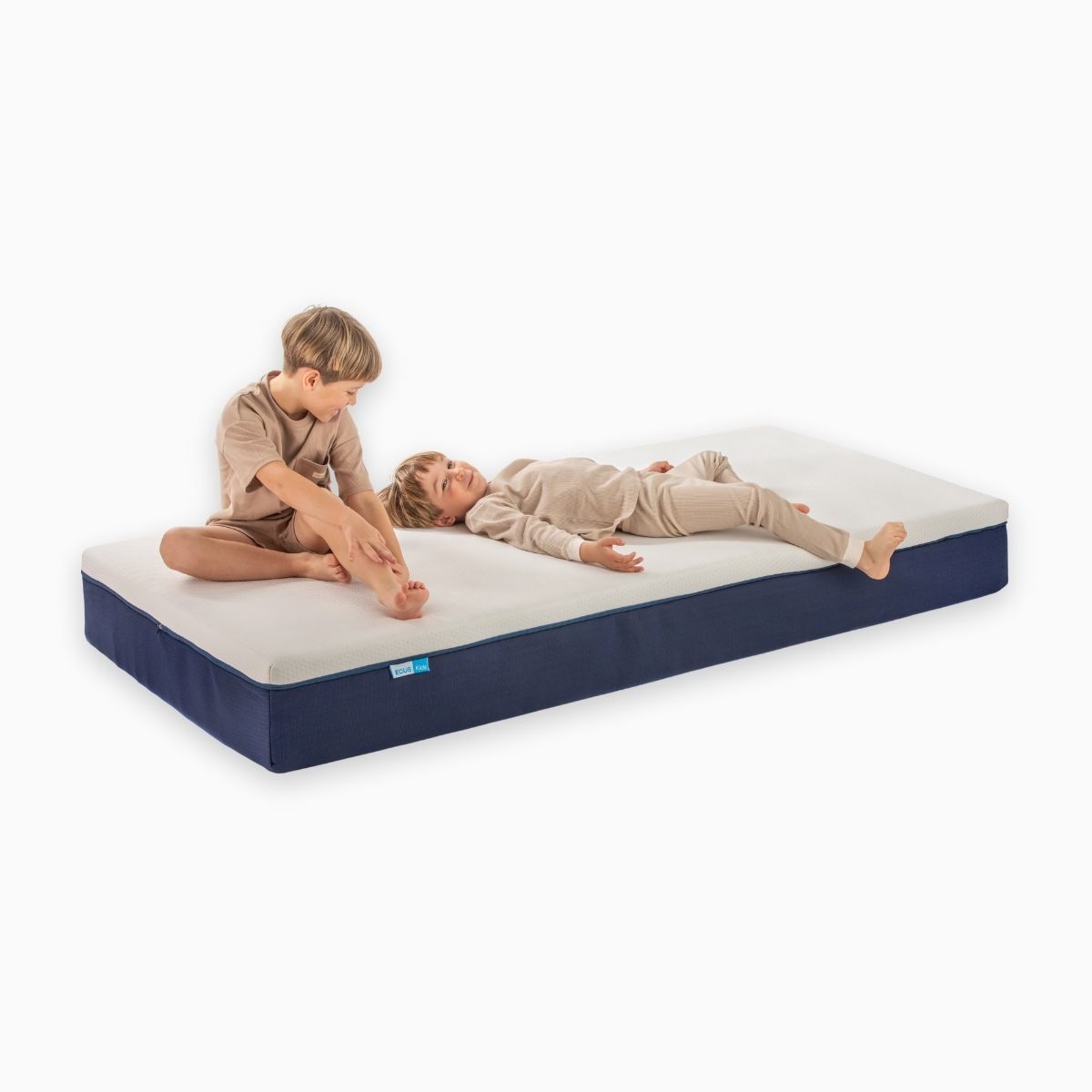
Some Montessori advocates suggest placing the mattress directly on the floor instead of using a high crib without bars. This allows the baby more freedom of movement and encourages independence when getting in and out of bed. Even though it is a low bed without bars, it will be just as safe, as it is flush with the floor and there will be no problem for the little one to reach the floor by themselves.
In addition, the bed or crib is not only considered a place to sleep, but also a place where babies can play with stuffed animals, receive Mimoes from their mother, listen to music, etc. Remember that when it comes to babies, no stuffed animals, cushions, or pillows should be left in the bed at bedtime.
7. Freedom of movement without overstimulation
During the day, make sure your baby has freedom of movement. According to the Montessori philosophy, letting children play on their own promotes independence and self-exploration.
When children are constantly exposed to excessive stimuli and physical restrictions, such as being trapped in a hammock or playpen for hours, it can cause agitation and stress, making it difficult for them to fall asleep at night. Allowing children to develop physically and mentally at their own pace lays the foundation for more restful sleep.
It is important to note that Montessori practices may vary and that each family can adapt them according to individual needs and preferences. In addition, it is essential to follow the recommended safety guidelines for baby sleep, regardless of the pedagogical approach chosen.